
Travertine Processing Techniques You Didn't Know: From Raw Stone to Luxury Design

The transformation of raw travertine blocks into the elegant Travertine Dining Tables and coffee tables that adorn our living spaces is a captivating story of art, engineering, and craftsmanship. When these unique stones are first extracted from quarries in massive blocks, they are far from the smooth, aesthetic furniture pieces we recognize. Processing raw travertine involves a series of precise technical steps, including sizing, surface calibration, and final finishing.
The ultimate goal of this process is to preserve the stone's millions-of-years-old natural character while transforming it into a durable, functional piece of furniture. Whether the stone’s signature porous texture is left organic or seamlessly filled, and whether its surface will glow with a brilliant polish or display a silky matte finish, is entirely determined during these production stages. Understanding these technical nuances will beautifully guide your interior design choices, helping you select the perfect piece for your home.
1. Travertine Polishing: What Is It and Why Is It Done?
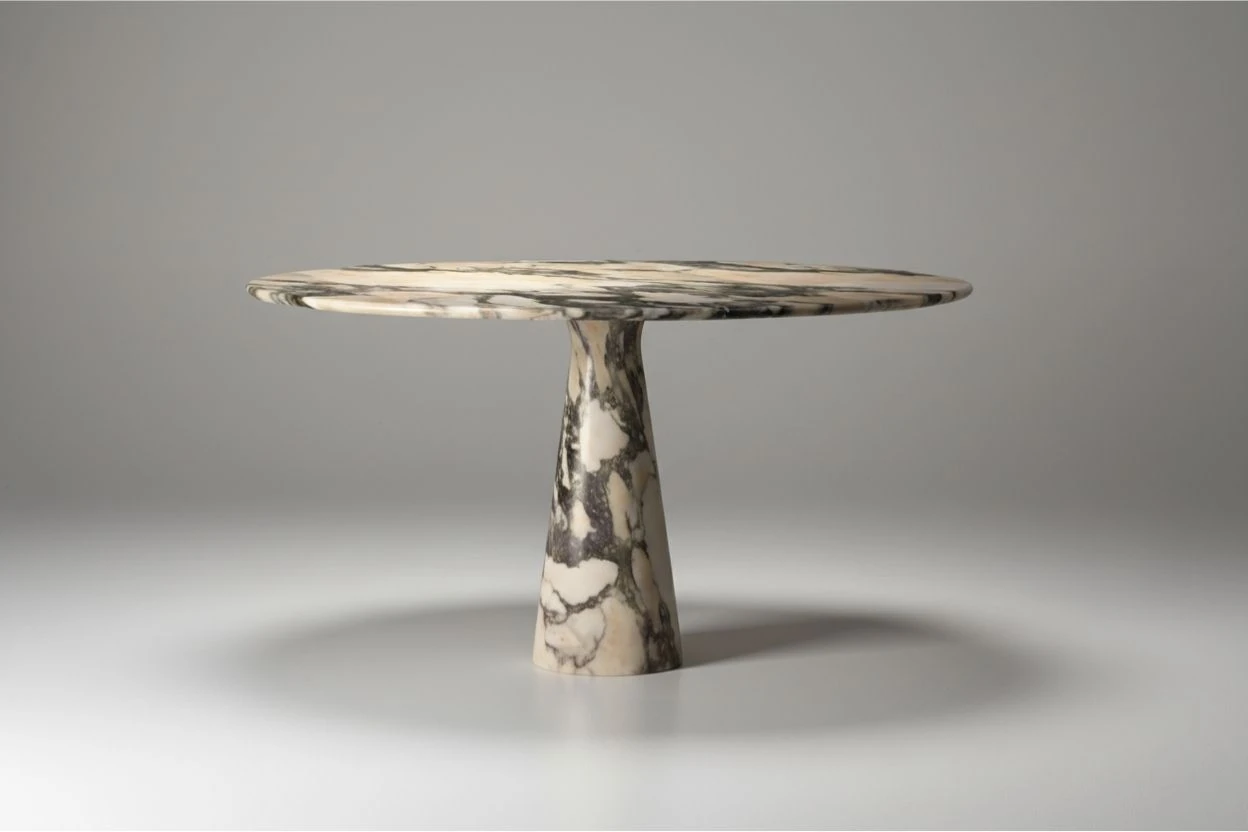
Polishing is the process of smoothing the travertine surface down to the micron level using specialized abrasives and diamond polishing discs, making it highly reflective.
- Why It's Done: This process serves both aesthetic and protective purposes. Polished surfaces enhance the stone’s natural color variations and vein structures, making them appear more vibrant. By closing up micro-pores, polishing also reduces liquid absorption and increases overall stain resistance.
- Where It Fits in Production: The stone enters the polishing line immediately after it is sized and undergoes rough calibration. Polished travertine furniture is an excellent choice for those seeking a radiant, striking, and high-end luxury look in their living rooms.
- An Expert Note: Because of their highly reflective nature, polished surfaces may reveal fine scratches more easily over time compared to matte finishes.
2. Travertine Brushed Finish (Patinato): What Is It?
Brushing is a mechanical process where special steel or diamond-tipped brushes are applied to the stone's surface at high speeds, giving it an "antique," weathered, and deeply textured look. In the natural stone industry, this application is also widely known as patinato.
- Why It's Done: It is the ideal choice for those who love the raw, organic, and historical feel of natural stone. The brushing process gently wears away the softer parts of the stone's surface while leaving the harder structures intact. This creates a beautifully tactile, three-dimensional surface.
- Where It Fits in Production: This finish is typically applied during the final stages after sizing. Brushed natural stone coffee tables create a warm, authentic, and soulful atmosphere, making them a perfect match for rustic, bohemian, or Wabi-Sabi interior design styles.
3. Honed Travertine: What Is It?
Honing is the process of treating the travertine surface with fine abrasives to achieve a semi-matte, satin-like appearance. It is not as reflective as a polished finish, yet it is completely free of the roughness found on raw stone; it yields a silky, velvety, and smooth texture.
- Why It's Done: Because it does not directly reflect light, a honed finish offers a soft, understated, and incredibly modern aesthetic that is easy on the eyes. One of its greatest practical advantages is its ability to camouflage minor scratches far better than highly polished surfaces.
- Where It Fits in Production: Performed after rough calibration, honing is a crucial finishing stage that determines the final character of the stone. Matte and silky-smooth furniture pieces like these are indispensable elements of minimalist and contemporary decor.
4. Filled vs. Unfilled Honed Travertine: What Is the Difference?
When choosing a honed travertine piece, the most critical decision you will make involves the status of the stone’s natural voids and pores. By nature, travertine features a beautifully pitted, porous structure.
- Unfilled Travertine: The natural pores and cavities are left entirely open. This carries the most raw, organic, and unaltered state of nature directly into your living space.
- Filled Travertine: Before the final honing stage, the surface pores are meticulously filled at the factory using special color-matched compounds (typically cement or resin-based). Once filled, the stone is honed flat.
Design Tip: Filled surfaces offer a major practical advantage for actively used furniture like dining tables and coffee tables. Filling the pores prevents crumbs, dust, or spilled liquids from getting trapped in the cavities, making everyday cleaning and hygiene effortless.
Comparison Table: Which Finish Is Right for Your Project?
| Feature | Polished | Honed | Brushed (Patinato) |
| Appearance | Glossy, Reflective, and Luxurious | Matte, Satin, and Serene | Textured, Organic, and Antique |
| Tactile Feel | Ultra-smooth and Slick | Smooth and Velvety | Textured with Grooves and Cavities |
| Stain Resistance | High | Medium | Low (Premium sealer is required) |
| Scratch Resistance | Scratches may be visible | Good at concealing scratches | Best at concealing scratches |
Travertine Processing: Frequently Asked Questions
How is the Chiseled Edge (Eskitme) Process Done on Travertine? The chiseled edge process involves intentionally distressing and softening the sharp corners of sized stone slabs using specialized machinery or tumbling barrels. This technique is applied right after sizing to give furniture a softer, less rigid, and beautifully time-worn rustic look.
When is Travertine Polishing Performed? Polishing is executed after the raw blocks have been sliced into slabs, cut to size, and roughly calibrated. It is one of the final, defining steps on the factory production line before the stone is assembled into high-end furniture.

