
Technical Comparison: Polished vs. Honed Marble Finishes

"The final decision depends on a strategic balance between aesthetic vision, functional demands, and long-term maintenance. While a polished finish delivers an undeniable sense of opulence and grandeur, a honed finish offers an organic, understated elegance. Beyond style, the intended use and safety protocols—such as slip resistance in high-traffic areas—must remain the primary engineering considerations."
| Feature | Polished Marble | Honed Marble |
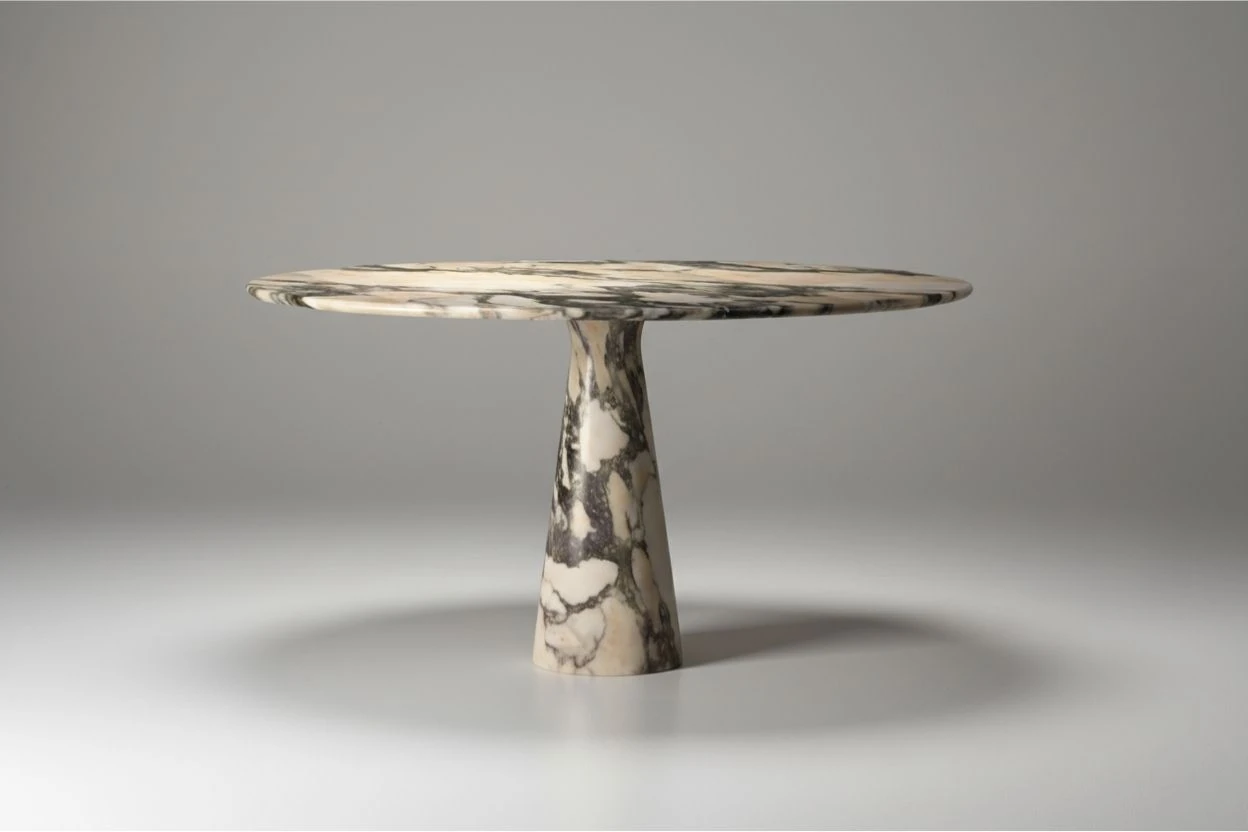
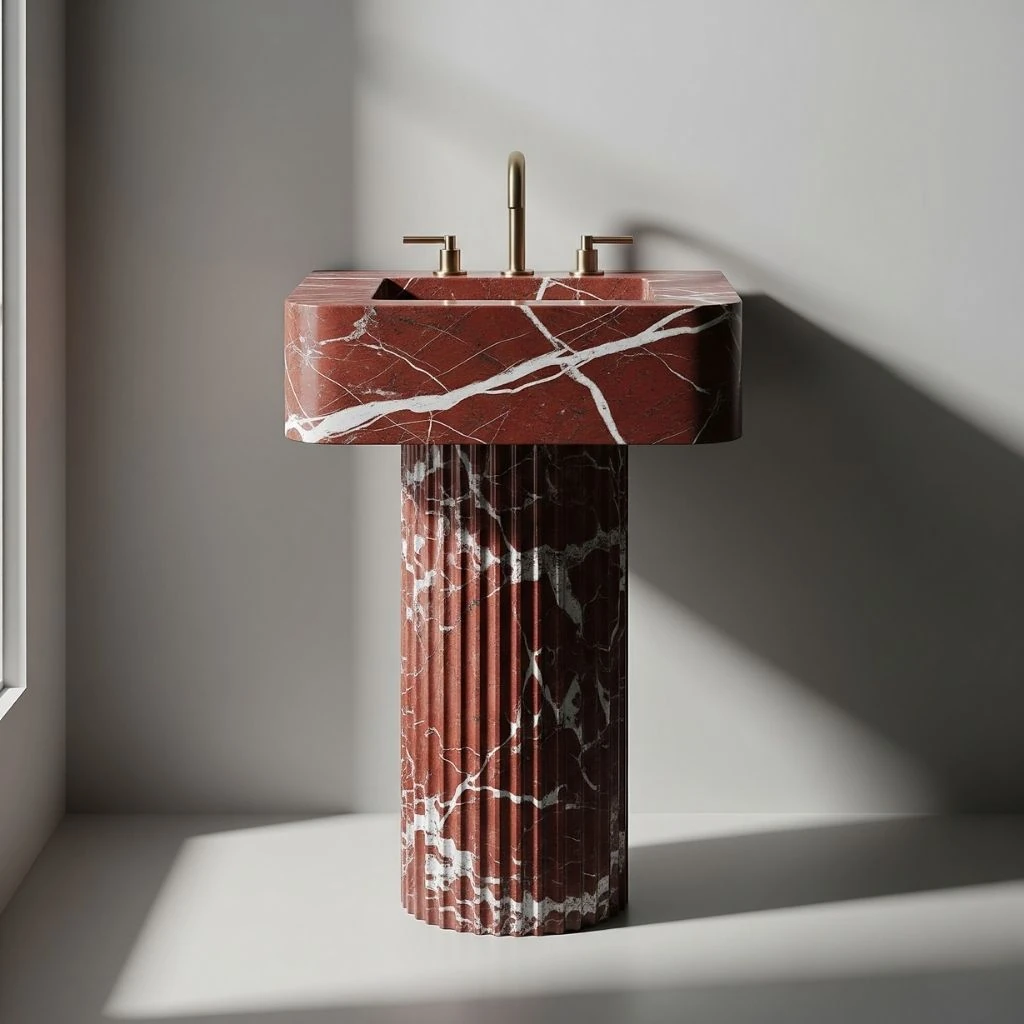
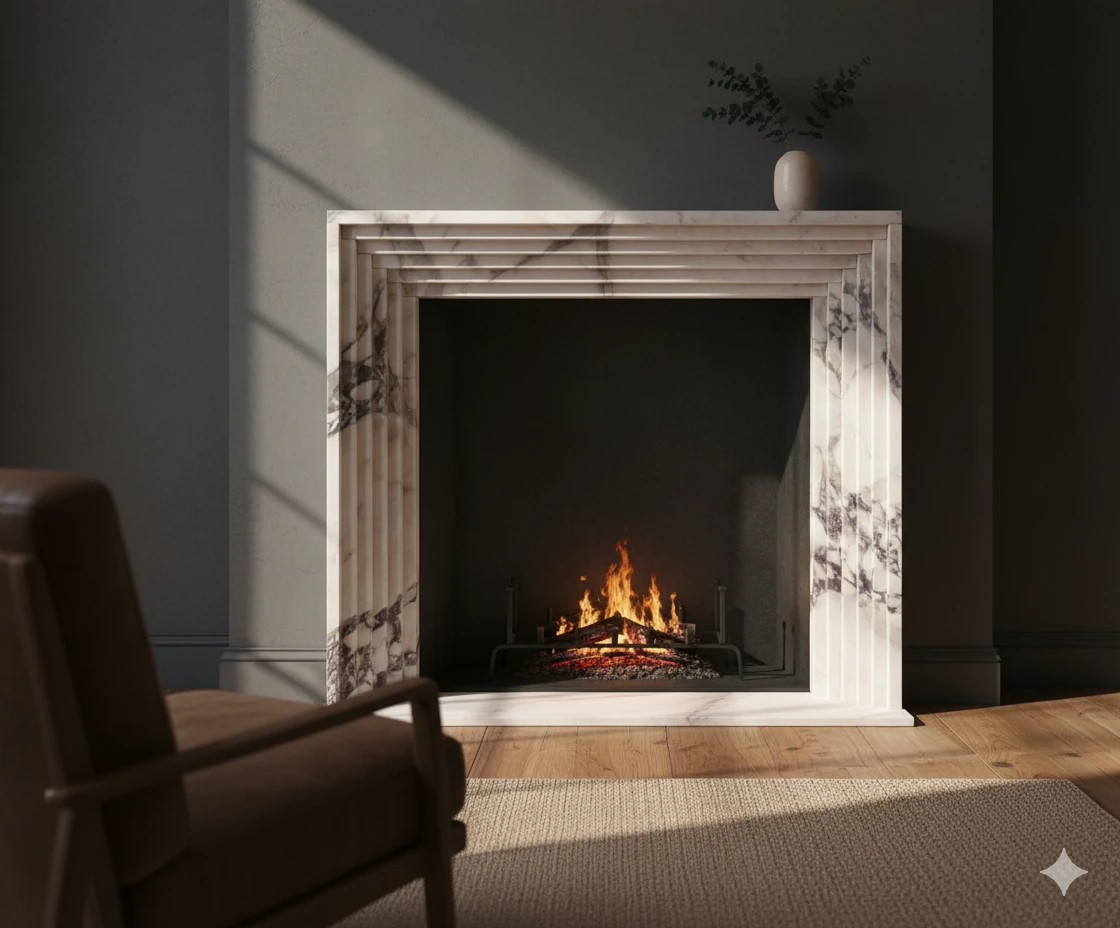
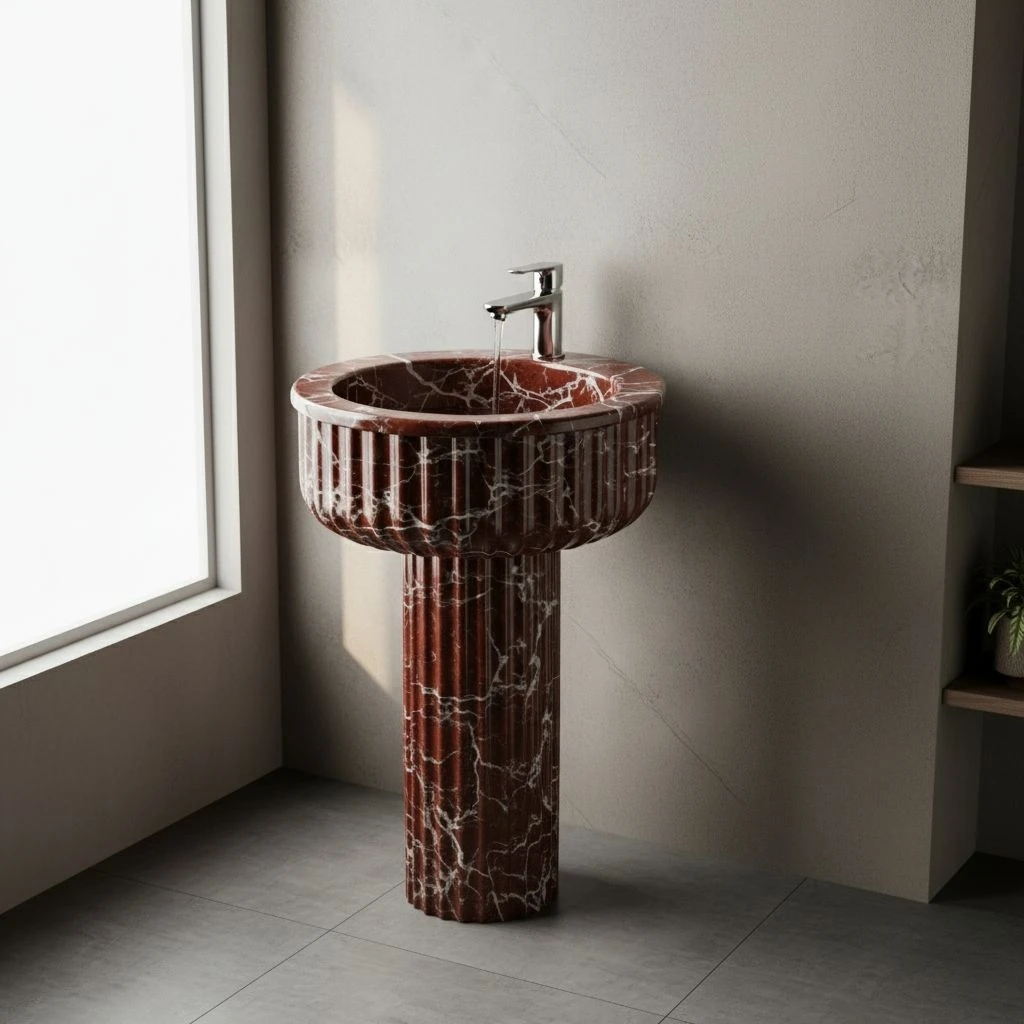
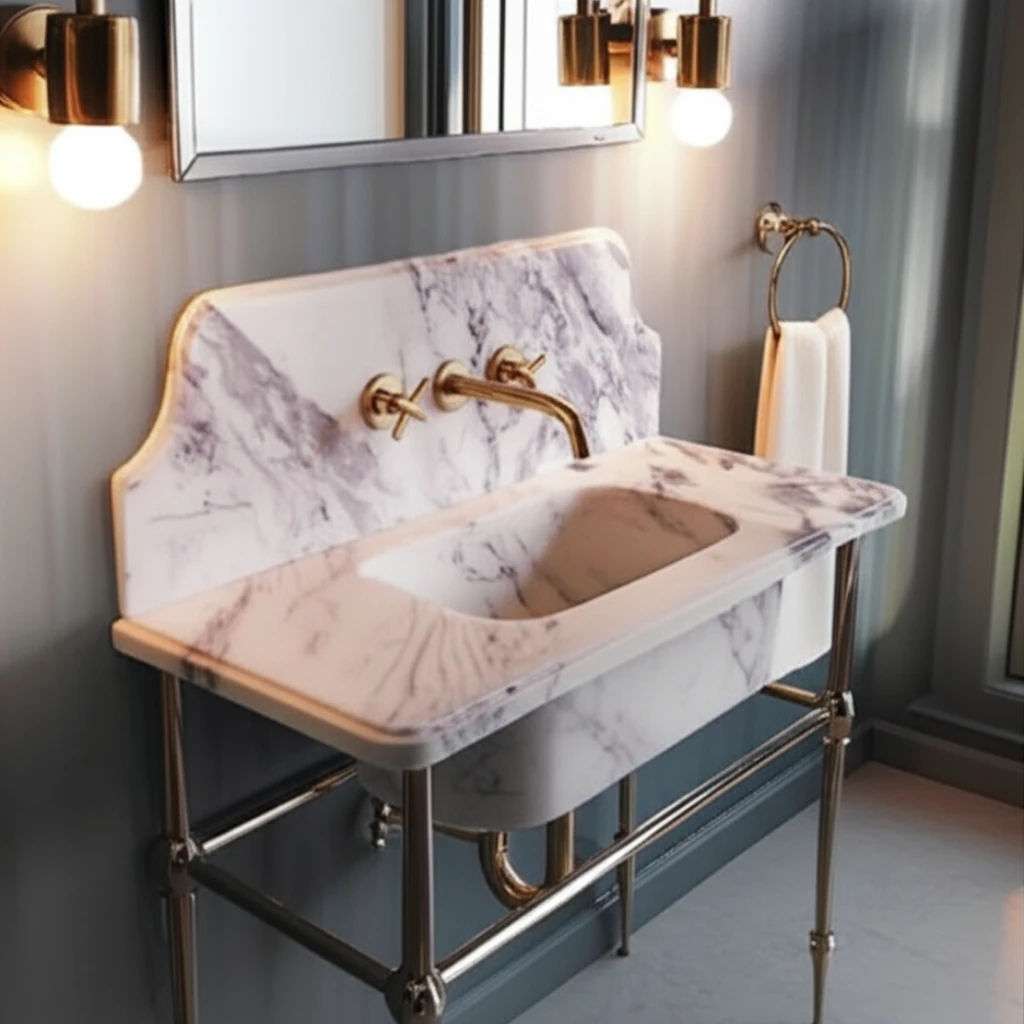
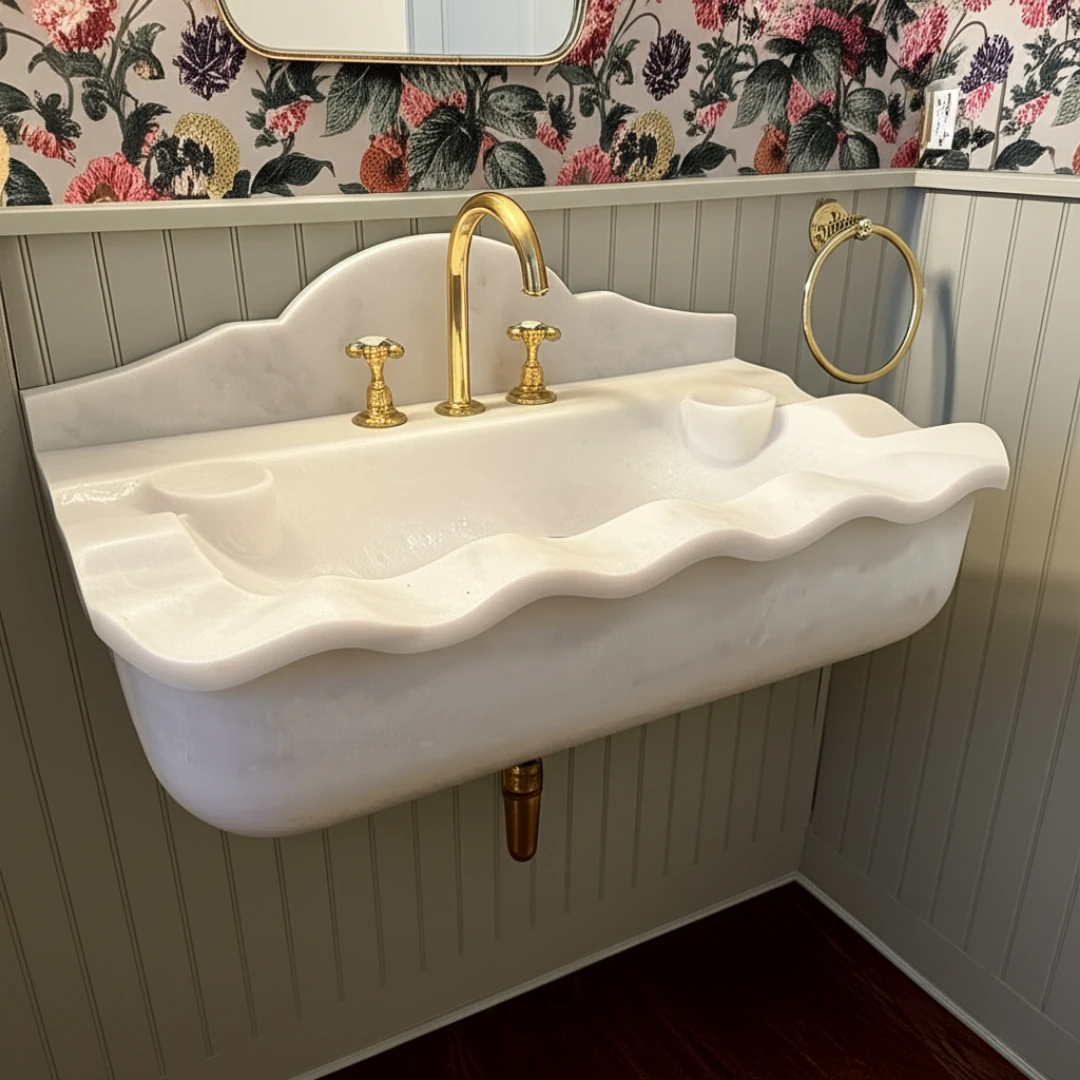
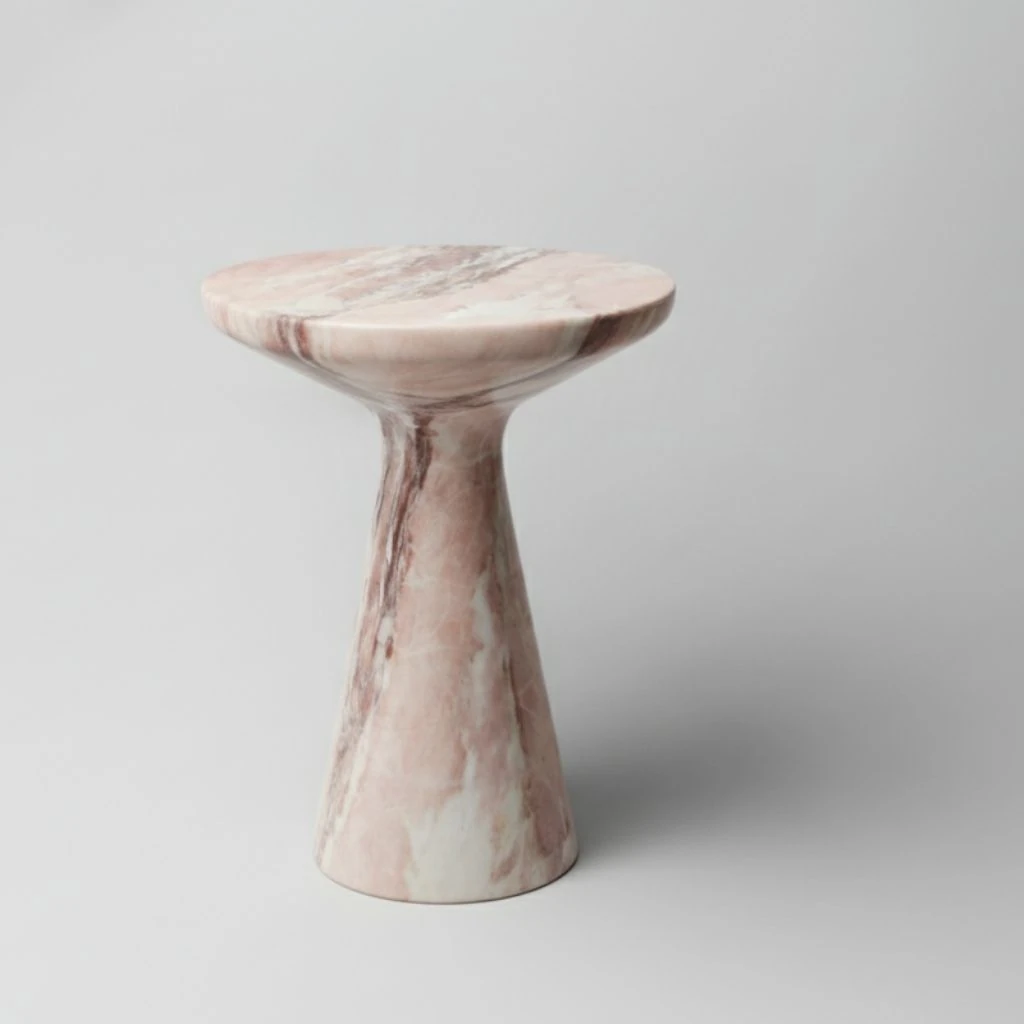
| Visual Aesthetic | High-gloss, mirror-like surface. Highlights the deepest colors and intricate vein structures. | Matte and velvet-like finish. Provides a natural, soft look with no light reflection. |
| Porosity | Partial sealing of pores during the buffing process. Generally less absorbent to liquids. | Open-pore structure. More susceptible to deep staining if not properly sealed. |
| Slip Resistance | Extremely slippery when wet. High risk for floor applications (especially bathrooms). | Higher coefficient of friction. A much safer and preferred choice for flooring. |
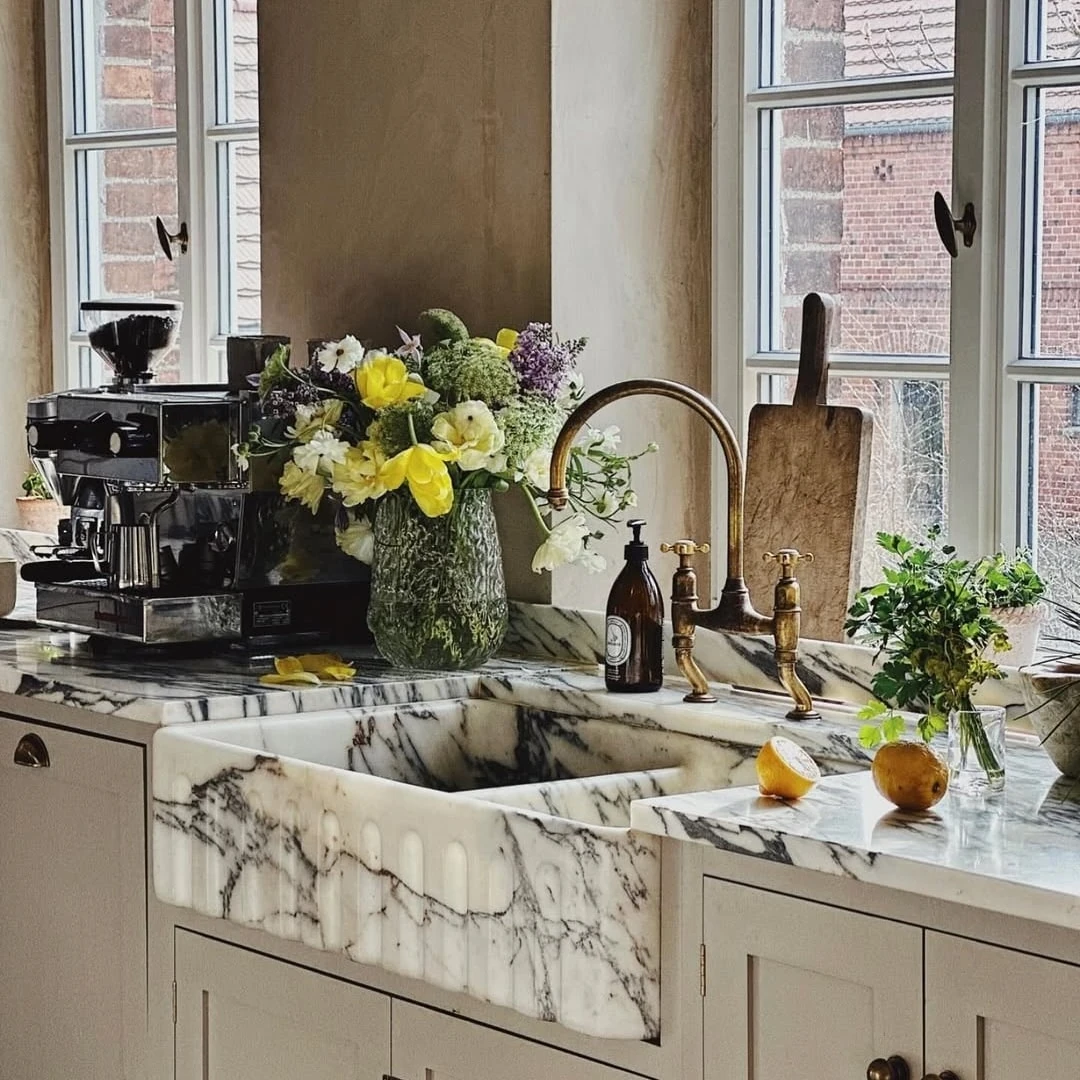
| Wear & Scratching | Micro-scratches, "etching" (acid damage), and wear are highly visible under direct light. | Excellent at camouflaging daily wear, minor scratches, and etching marks. |
| Maintenance | Requires periodic buffing to maintain shine and specific pH-neutral cleaners. | No re-polishing needed, but requires consistent professional-grade sealing (impregnators). |
| Luxury Perception | Classic Luxury: Ideal for dramatic, statement pieces and formal spaces. | Quiet Luxury: Perfect for modern, minimalist, and "organic" high-end designs. |
Pro-Tip for Designers: "Choosing the right finish isn't just about aesthetics; it's about Material Performance. For high-traffic areas or kitchen countertops where acidic contact (lemon, wine) is frequent, we recommend a Honed finish to mitigate visible etching. However, for feature walls or vanity splashbacks, a Polished finish remains unrivaled in showcasing the geological history of the stone."

