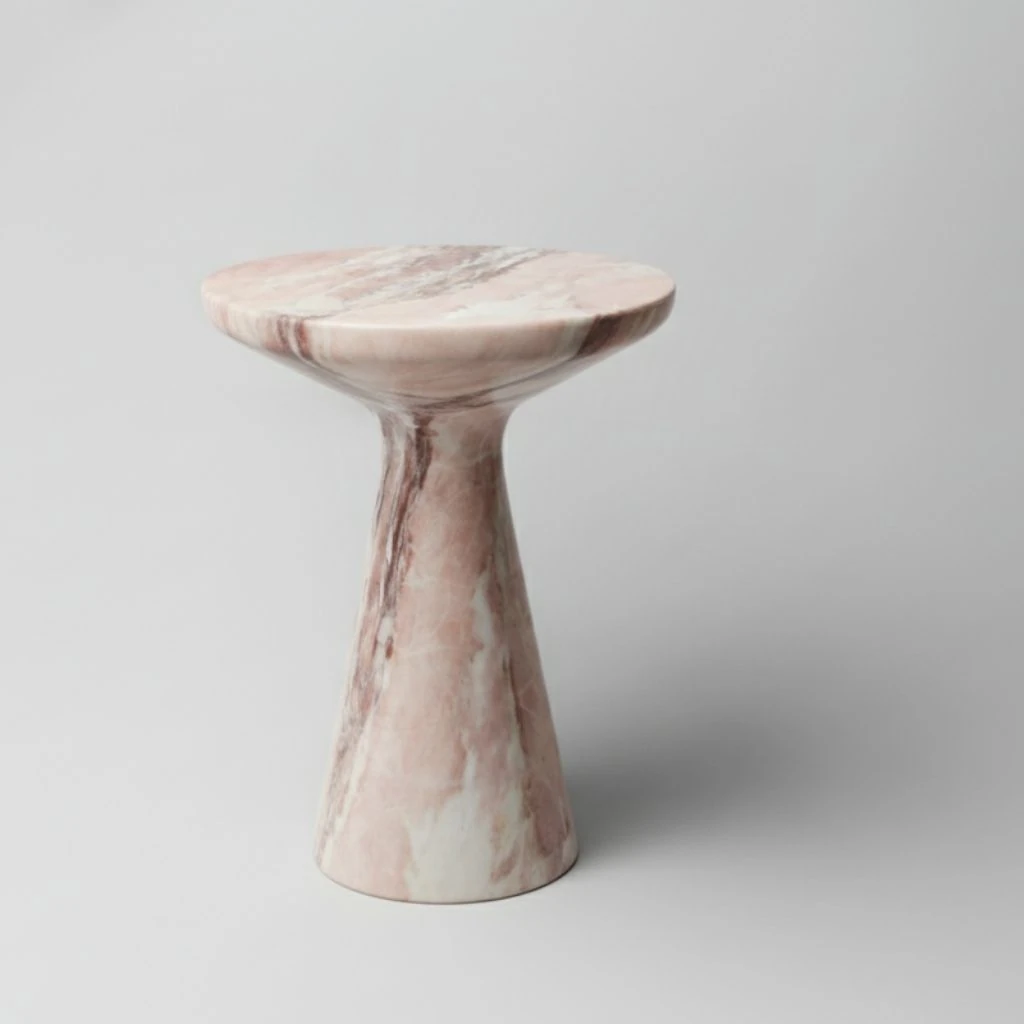
Italian or Turkish Calacatta Viola Marble? The Definitive Guide to Luxury and Character

Italian or Turkish Calacatta Viola Marble? The Definitive Guide to Luxury and Character
In the world of high-end interior design, when drama, elegance, and timelessness are called for, one natural stone stands out above the rest: Calacatta Viola. Renowned for its signature cabernet, burgundy, and deep purple veining, this marble injects an immediate artistic statement into any luxury space. However, a common question arises among architects, designers, and discerning homeowners alike: "Should I choose Italian Calacatta Viola or Turkish Calacatta Viola?"
While both options are stunning, they carry unique historical backgrounds, market dynamics, and distinct visual characters. Let’s dive into the definitive comparison to help you choose the perfect match for your next masterpiece.
1. Heritage and Market Dynamics: Legacy vs. Sustainability
Calacatta Viola earned its global fame and prestige from the historic quarries of Carrara, Italy. Because Italy established its luxury branding early in the global market, Italian marble has long enjoyed the reputation of being the "original" luxury standard.
However, geological resources are finite, and the market landscape has evolved:
- Younger, Active Quarries: The quarries in the Afyon-Iscehisar region—the heart of Turkey's marble production—are geologically much younger than those in Italy. This means Turkish quarries are currently operating at peak efficiency, offering a highly active and reliable supply.
- Shifting Global Trade: Due to depleting reserves and soaring global demand in Italy, Italian producers themselves frequently import block marble from Turkey today. Beyond Europe, Turkey stands as a leading high-volume export partner to global stone giants, including China, supplying premium raw and finished luxury materials worldwide.
2. Aesthetic Nuances: Deciphering the Visual Signatures
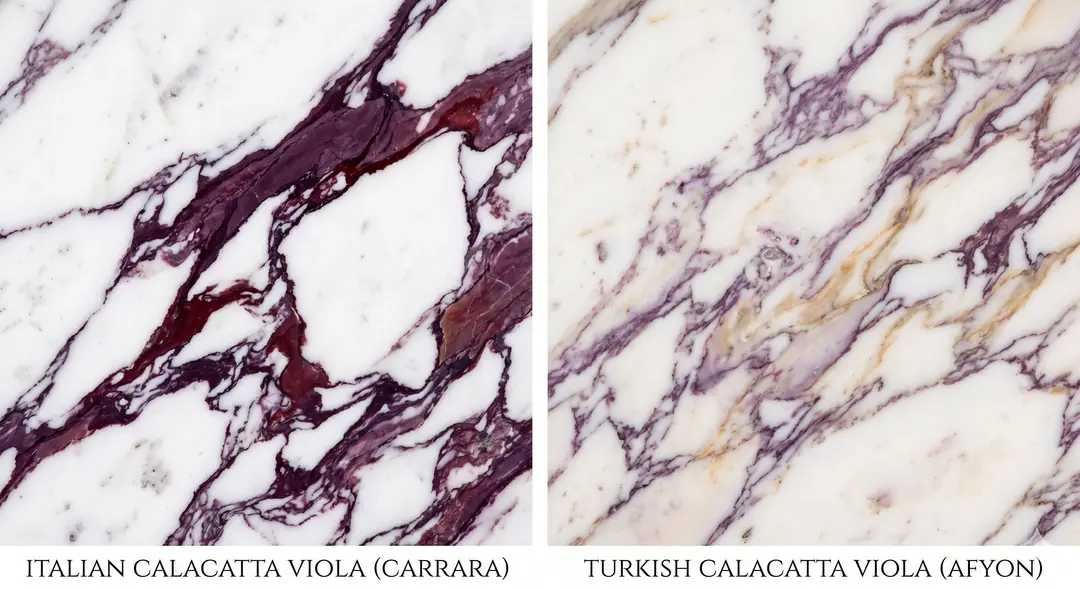
To the untrained eye, these two stones appear nearly identical. Closer inspection, however, reveals that nature has given each stone its own distinct signature and personality.
| Feature | Italian Calacatta Viola (Carrara) | Turkish Calacatta Viola (Afyon) |
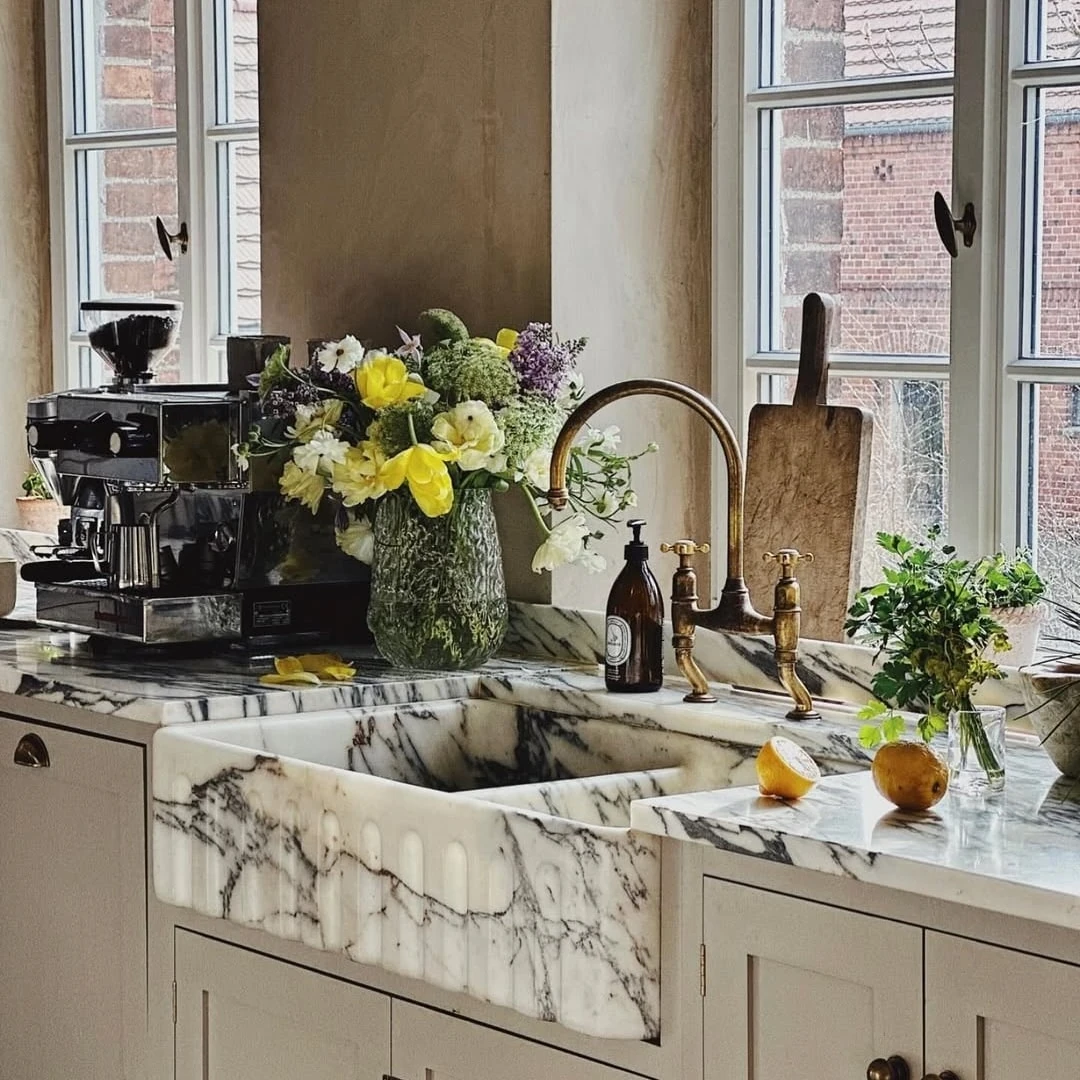
| Background & Transition | The contrast between the crisp white background and the bold veins is sharp, crisp, and high-contrast. | The transitions between the white background and the colored veins are softer, subtler, and more blended. |
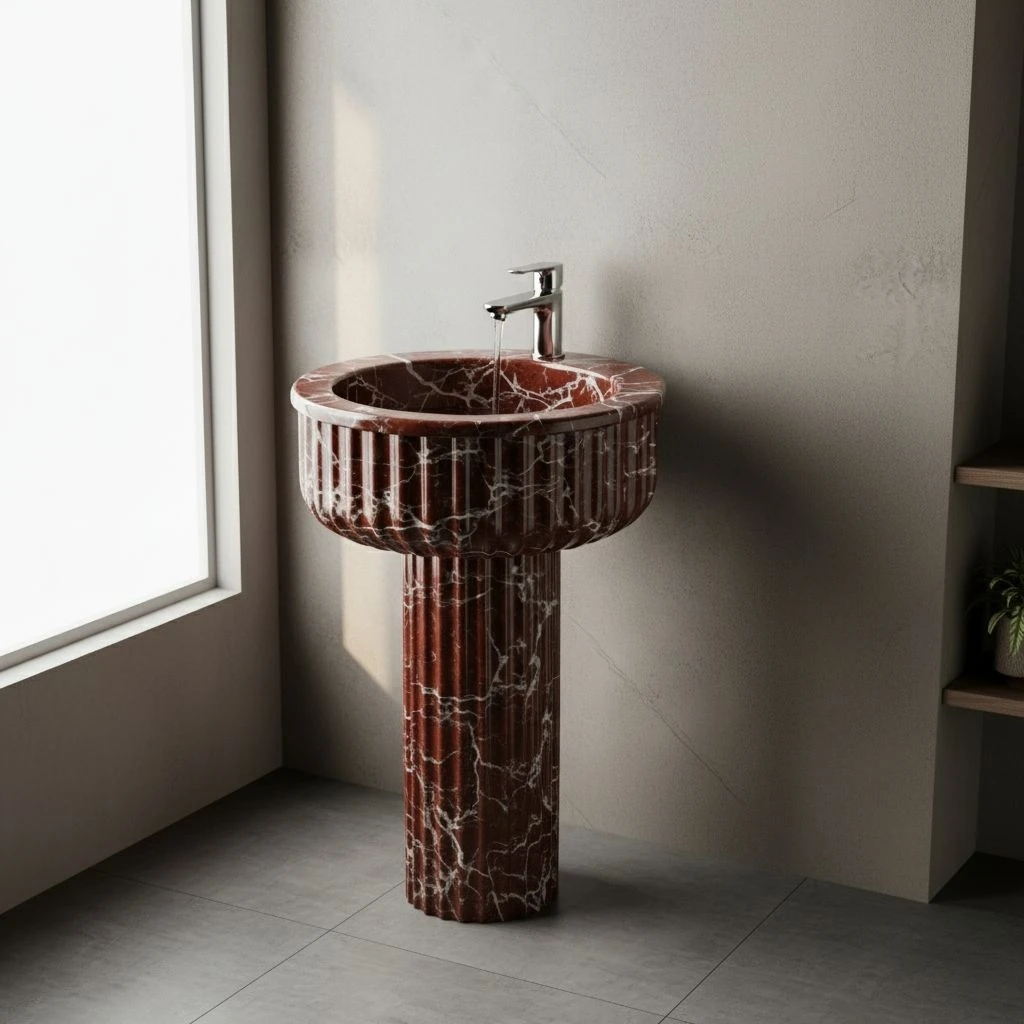
| Color Temperature | The rare red undertones present are vibrant, intense, and deeply pronounced. | The red tones are softer, leaning elegantly toward warm browns, rich tanyards, or deep earth tones. |
| Vein Composition | Dominated by a classic palette of deep purple, burgundy, and contrasting dark grey veins. | In addition to rich burgundy veins, it frequently features striking golden and honey-colored veins that add layers of warmth. |
3. Atmosphere & Vibe: The Mood They Create
These subtle visual variations dramatically affect how the marble transforms a room:
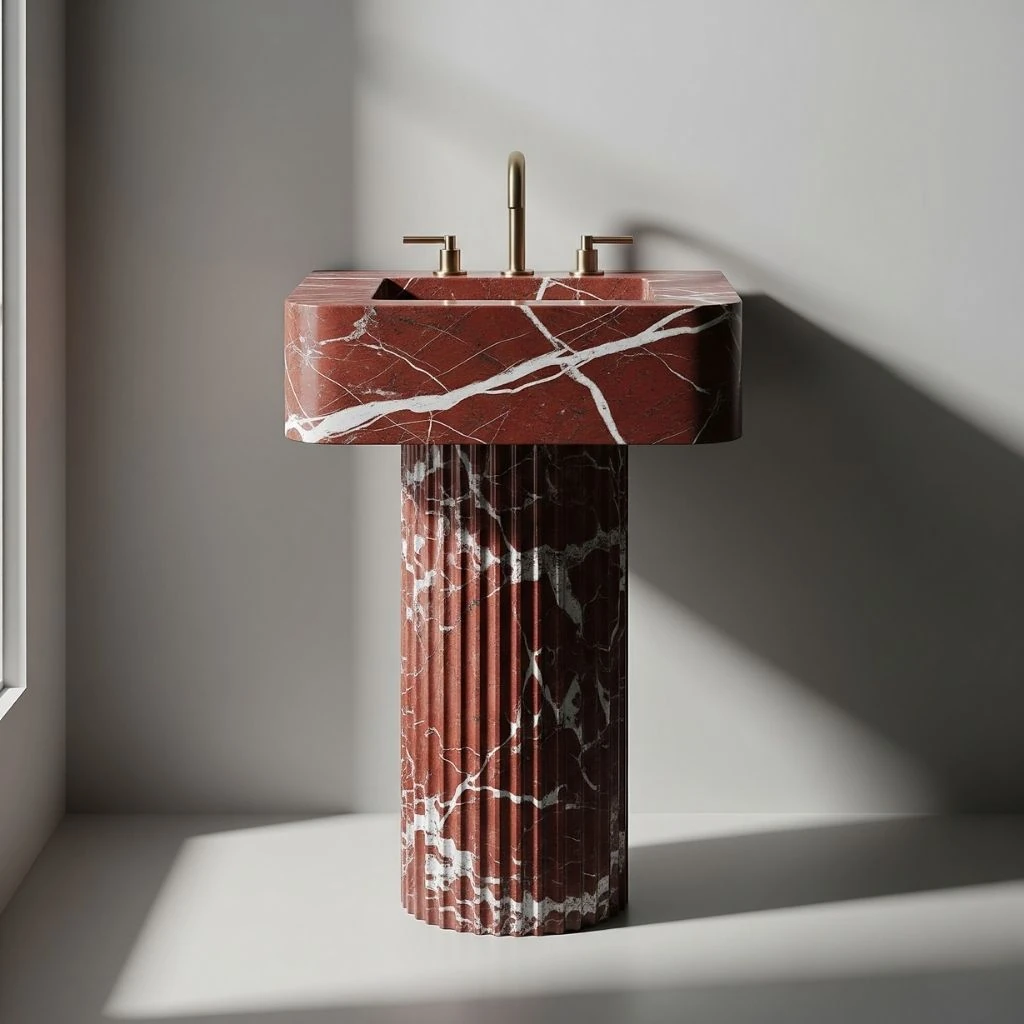
- Italian Calacatta Viola (The Formal Statement): With its sharp contrast and bold linework, Italian Viola brings a formal, monumental, and dramatic atmosphere to a space. It is ideal for high-impact architectural focal points—such as monolithic kitchen islands, reception desks, or dramatic feature walls—where you want the stone to command the entire room.
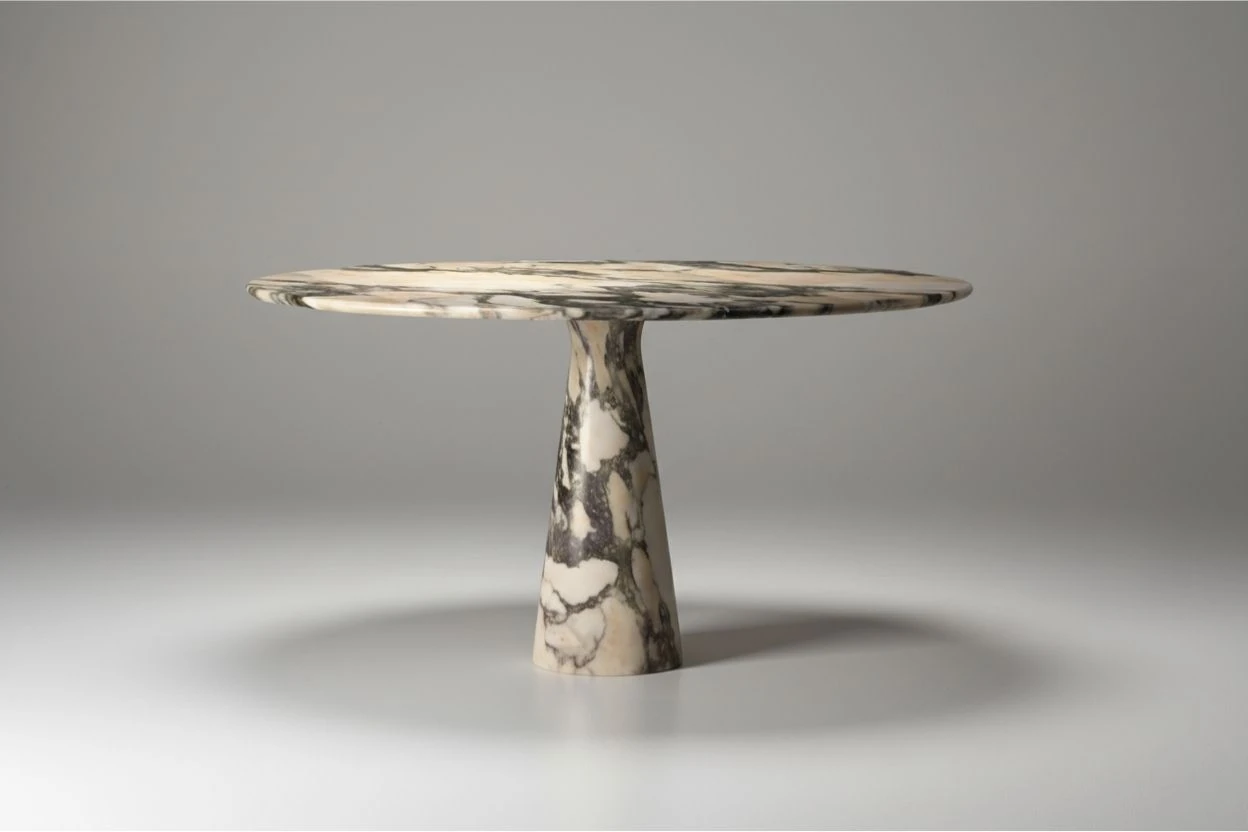
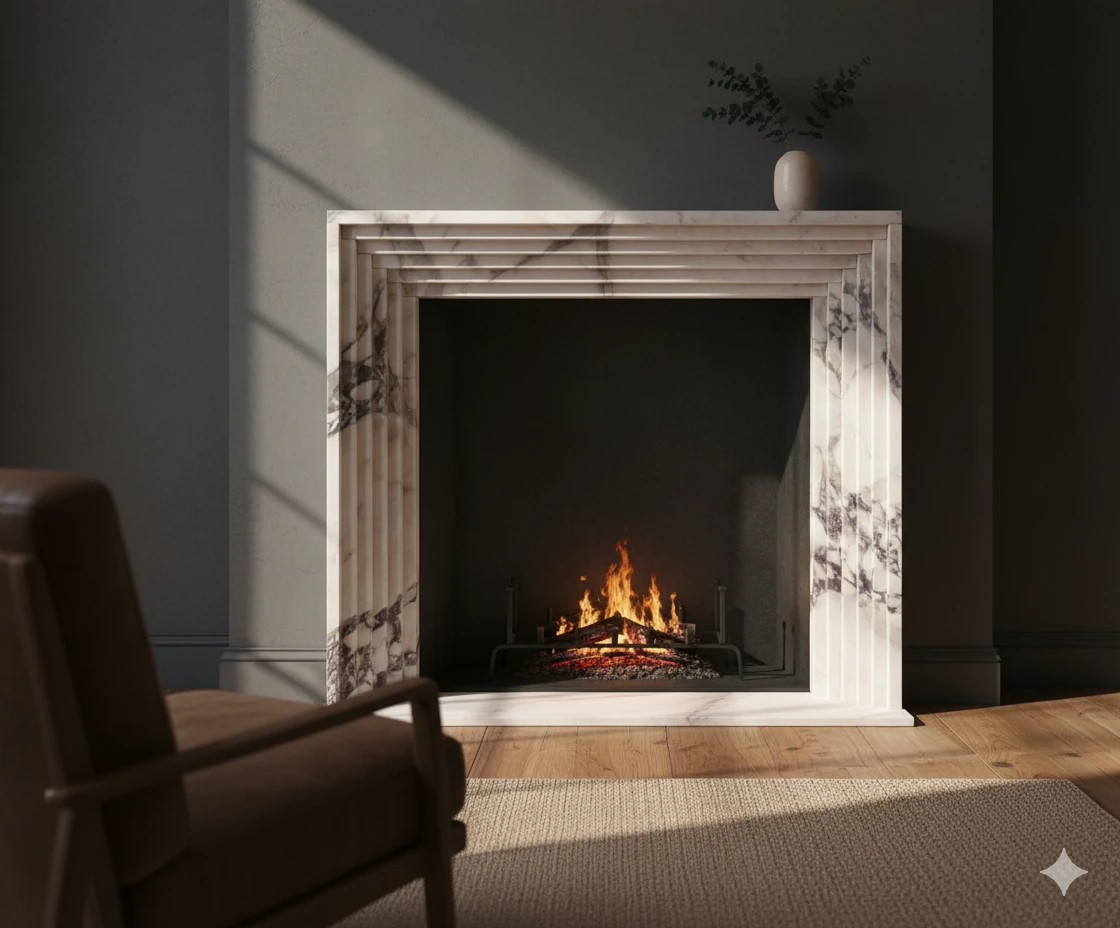
- Turkish Calacatta Viola (The Warm Invitation): Thanks to its gentler gradients and honeyed/golden undertones, Turkish Viola introduces a warm, inviting, and organic sense of luxury. It harmonizes beautifully with residential living spaces, custom dining tables, fireplaces, and environments meant to feel sophisticated yet welcoming.
4. Durability & Quality: Technical Performance
While history and aesthetics differ, the engineering and physical properties of these two marbles are remarkably evenly matched.
Whether sourced from Carrara or Afyon, Calacatta Viola marble delivers:
- High density and exceptional structural integrity.
- Equal resistance to corrosion and daily wear.
- Low water absorption rates, making both excellent choices for wet areas.
From a technical and functional standpoint, there is no compromise. When processed with expert craftsmanship and finished with a premium polish or hone, both stones offer a lifetime of durability and performance.
The Verdict: Which Should You Choose?
Your choice ultimately depends on the design language of your project and your sourcing strategy:
- Choose Italian Calacatta Viola if your project demands high-contrast drama, ultra-sharp lines, and the historical prestige of the Carrara name.
- Choose Turkish Calacatta Viola if you want a richer, warmer vein variety (including beautiful gold tones), a more organic flow, and a highly sustainable, premium luxury option that offers incredible value for high-end residential design.
Nature has applied its masterful brushstrokes to both geographies. Your only task is to decide which story your space is meant to tell.